


Run From The Cure is a documentary first released in 2009 that has refused to fade away. For more than a decade it has circulated online, been removed, reappeared, and continued to be shared — not because it is polished or comfortable viewing, but because it documents a story many felt was never properly confronted.
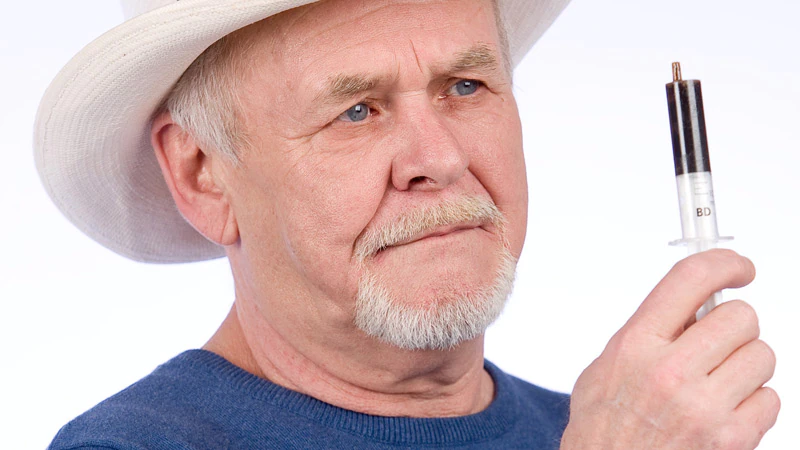
The film centres on Rick Simpson, a Canadian engineer whose experiences led him to believe that a concentrated cannabis oil he produced himself played a significant role in his recovery from illness, and later in the experiences of others who sought him out. That oil — commonly known as Rick Simpson Oil, or RSO — is not incidental to the documentary. It is the reason the story exists at all.
Rick’s decision to make and distribute the oil outside formal systems placed him directly at odds with the law and with established medical authority. Run From The Cure documents that collision in real time: personal conviction meeting prohibition, early scientific signals meeting institutional resistance.
This is not a neutral film. It does not seek balance for its own sake, and it does not dilute its message to fit within accepted boundaries. It challenges who controls medical narratives, how certain forms of knowledge are dismissed, and why some lines of inquiry are treated as unacceptable regardless of the questions they raise.
Rick Simpson Oil and the heart of the film
The documentary is inseparable from Rick Simpson Oil (RSO). In Run From The Cure, Rick openly shows how he made the oil and explains, in his own words, why he believed it worked. Those scenes are central to the film’s impact and are a major reason it continues to be shared.
At the time, publicly demonstrating the production of a high-strength cannabis oil was unusual and confrontational. It challenged both cannabis prohibition and the unspoken rules around who is allowed to discuss medical treatment outside licensed frameworks. The oil, the method, and Rick’s reasoning are presented without filtering or institutional framing.
RSO became shorthand for a specific moment in cannabis history — a point where personal experience, early laboratory research into cannabinoids, and strict prohibition collided. Whether one agrees with Rick’s conclusions or not, the documentary makes clear why the oil became such a focal point and why it remains part of ongoing discussion.
For readers who want a clearer explanation of what people mean when they refer to Rick Simpson Oil, and how that idea has evolved over time, we’ve covered that separately here:
→ Rick Simpson Oil (RSO): what it is, where it came from, and how people approach infusions today
That article looks at the oil in context, rather than reproducing the scenes shown in the film.
Why the documentary struck a nerve
Run From The Cure arrived at a moment when frustration with closed systems and restricted research was already widespread. For many viewers, the film articulated a sense that cannabis — and particularly high-THC preparations like RSO — had been sidelined not because they lacked potential, but because they existed outside accepted structures of control.
The documentary questions why investigation into cannabis and cannabinoids moved so slowly, despite laboratory studies showing cannabinoids interacting with cancer cells under controlled conditions, and despite growing numbers of people reporting personal benefit. It also asks who decides which forms of evidence are taken seriously, and which are dismissed outright.
Rick Simpson’s claims are strong and uncompromising. They are rooted in lived experience rather than institutional validation, and the film makes no attempt to soften that position. Run From The Cure is unapologetic about its perspective.
The wider backdrop
Interest in cannabis and cancer did not begin with this documentary. Long before Run From The Cure circulated, laboratory research had already demonstrated that cannabinoids interact with cancer cells in controlled environments, influencing processes such as cell signalling, growth, and programmed cell death.
The documentary exists in the space between those early findings, personal testimony, and institutional resistance. It does not resolve that tension — it exposes it.
Watching it today
Seen now, Run From The Cure works best as a historical and cultural record. It captures a period when cannabis oil was discussed largely outside formal channels, long before broader conversations around medical cannabis became mainstream.
More than a decade on, the film remains relevant not because it offers simple answers, but because it documents a confrontation that is still unresolved — between experience and authority, research and regulation, curiosity and control.
Note
This page discusses a documentary and the ideas it presents for informational and historical purposes. It is not medical advice.


